
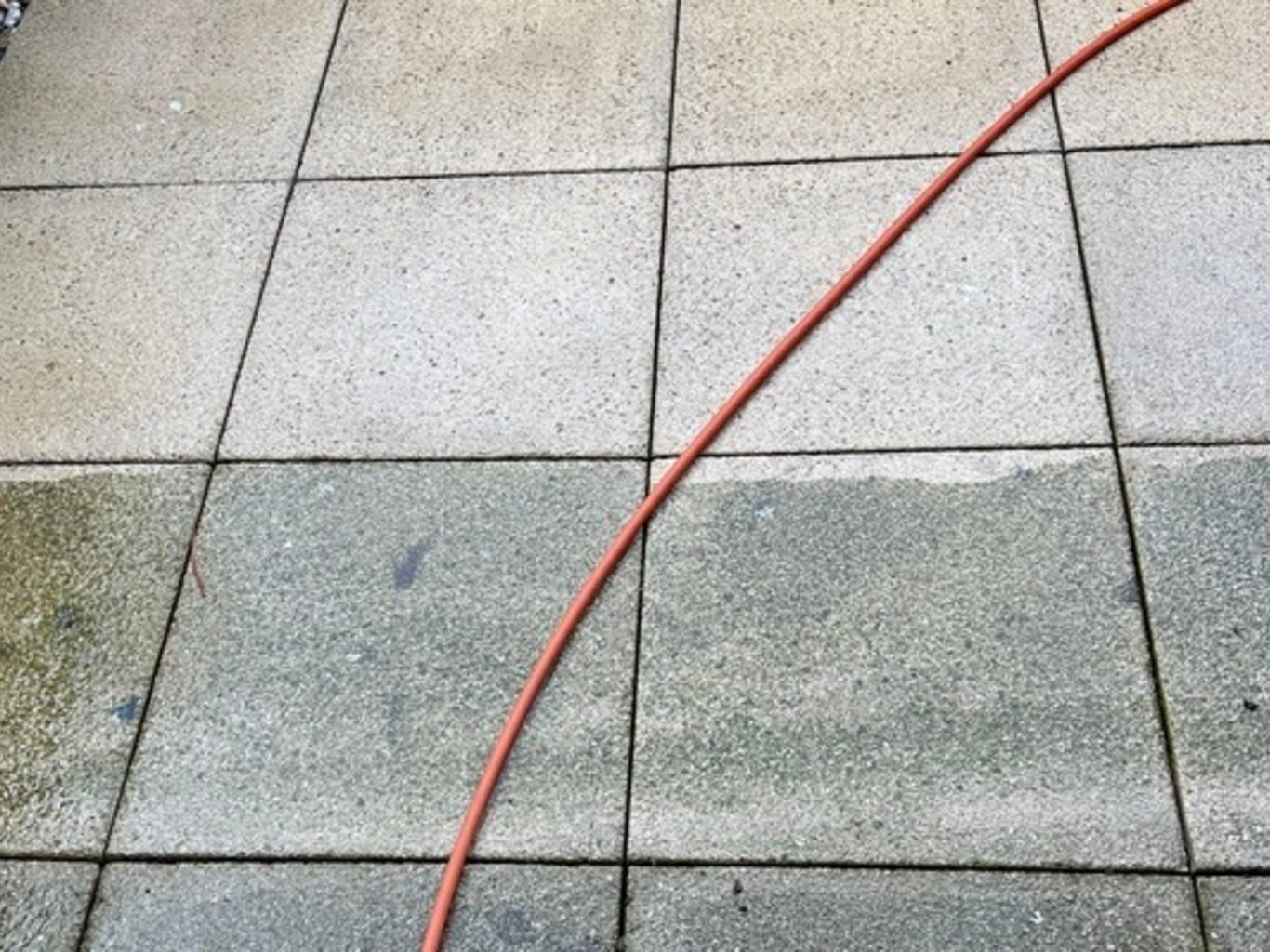
You’ve likely seen them at the petrol station or watched a neighbor blast years of grime off a driveway. But what exactly is a “jet wash,” and is it just another name for a pressure washer? The answer is slightly more nuanced than you might think, and understanding the difference can save you from damaging your property or wasting water.
Here is everything you need to know about jet washing, from how it works to whether you should try it yourself.
The Core Definition: It’s All About Pressure
At its most basic, jet washing is the general term for cleaning surfaces with a high-pressure stream of water . The machine—a motorized pump—forces water through a narrow nozzle at intense speeds, creating a jet strong enough to strip away dirt, mud, mold, and loose paint without the need for aggressive scrubbing.
While many people use “jet wash” and “pressure wash” interchangeably, industry experts often draw a line based on temperature. Standard jet washing (or pressure washing) relies on cold or room-temperature water . This makes it ideal for removing loose dirt, salt, and general grime from hard surfaces like concrete, brick, and vinyl siding.
Jet Wash vs. Power Wash: The Temperature Tells the Story
The distinction becomes critical when you introduce heat. If the machine heats the water, it is technically a power washer.
Why does this matter? Hot water is significantly more effective at breaking down oil, grease, and tough stains. If you are cleaning a greasy driveway, a commercial kitchen exhaust area, or a sidewalk stained by cooking oil, a cold jet wash might just push the grease around. A hot-water power wash will melt it away. Conversely, cold jet washing is safer for sensitive surfaces that might be warped or damaged by high heat.
The Real-World Applications (Beyond Your Driveway)
Jet washing is not just a DIY tool for homeowners; it is a critical maintenance tool across several industries.
1. Automotive and Aviation Care
For car enthusiasts, the local petrol station jet wash is a convenient way to remove road salt and grime without a home hose. However, experts warn against using the provided brushes, which often harbor dirt from previous users and can scratch your paint. The safest approach is to use only the high-pressure lance for pre-rinsing and foam application, bringing your own clean mitts if you plan to touch the paint.
Even the military relies on jet washing. Routine washes of fighter jets, like the F-35, are essential maintenance tasks to prevent corrosion and remove environmental buildup, though the frequency depends on where the aircraft operates .
2. Municipal and Public Sanitation
Cities use heavy-duty hot-water jet washers to keep public spaces hygienic. In Worcester, for example, a dedicated “hit squad” uses a hot-water jet washer capable of holding 600 liters to clean streets, benches, and even statues, particularly to remove mess caused by seagulls and to strip graffiti .
3. Industrial and Maritime Use
In heavy industry and shipping, high-pressure jet washers (often operating at pressures far exceeding consumer models) are used for hull cleaning, de-rusting deck mechanisms, and clearing ballast tanks . These industrial units are built to run continuously in extreme environments.
The Pros and Cons: Is It Right for You?
Before you rent or buy a jet washer, weigh the benefits against the risks.
The Advantages:
- Effectiveness: A high-pressure stream can remove stubborn dirt that a garden hose simply cannot touch .
- Speed and Versatility: You can cover large areas like driveways or decks quickly, and the same machine can clean patio furniture, cars, and siding .
- Water Efficiency: Ironically, while jet washers feel like they use a lot of water, they often use less than a standard garden hose for the same cleaning task because the force does the work, not the volume .
The Risks:
- Surface Damage: That intensity can be destructive. Using too much pressure on wood, aluminum, or older masonry can etch the surface, strip paint, or force water into places it shouldn’t go .
- Safety Hazards: A jet washer can cause serious injury if the stream hits a person, particularly at close range. Safety goggles are recommended when using hot-water units or chemicals .
- The “Dirty Brush” Problem: As mentioned, public jet wash brushes are a common trap for car owners looking to save time .
A Note on Technique and Equipment
If you are using a jet wash—whether at home or at a coin-operated station—technique matters. Never spray directly head-on into a surface at point-blank range. Instead, spray at an angle to control the direction of the debris and avoid forcing water into seams or cracks . For car washing at a public bay, maximize your time by pre-soaking wheels and bodywork before inserting coins, as many machines have strict time limits per payment .
Final Verdict
Jet washing is a powerful, accessible cleaning method that sits under the broader umbrella of pressure washing. It is the go-to solution for cold-water blasting of dirt and grime, while its hot-water cousin (power washing) handles grease and sanitization. Whether you are a homeowner prepping a deck for staining or a city worker keeping the streets clean, understanding the pressure and temperature limits of your machine is the key to getting the job done right without causing damage.